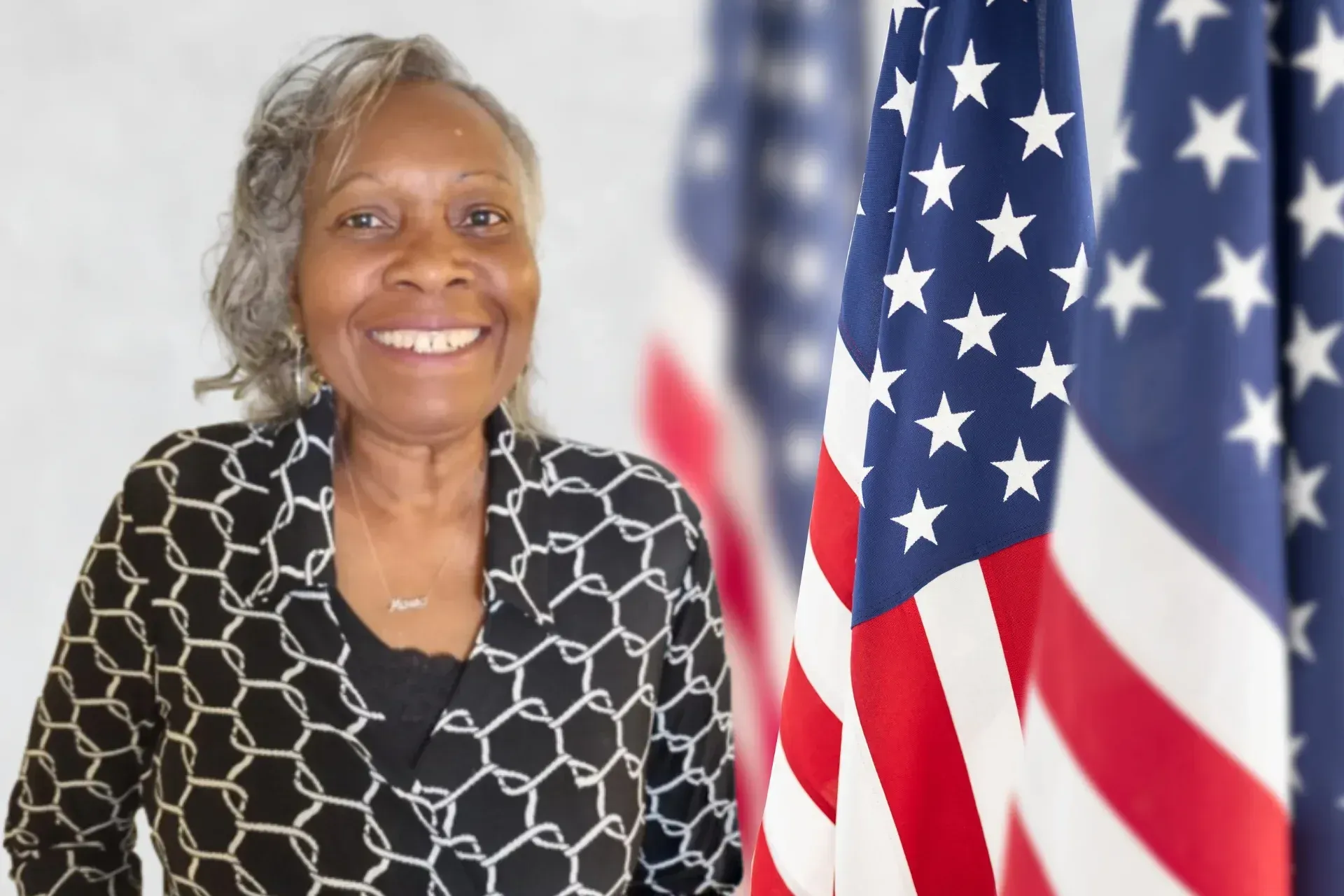
Called to Serve: How Faith Shapes Laura Mitchell Riley's Campaign for Missouri House District 66
Called to Serve: How Faith Shapes Laura Mitchell Riley's Campaign for Missouri House District 66
"Faith is taking the first step even when you don’t see the whole staircase. " This timeless truth encapsulates how many political candidates integrate their spiritual beliefs into their public service journey. For Laura Mitchell Riley, candidate for Missouri House District 66, faith in politics is not just a phrase but a guiding force shaping her decisions, values, and leadership style. In this compelling exploration, discover the ways personal belief informs political candidacy and builds trust with voters.
The Intersection of Faith and Politics: A Personal Journey
Laura Mitchell Riley, of Missouri House District 66, explains, "When the Lord asks you to do something, it's a privilege and an honor to do it for Him. That is what motivated me to run."
Laura Mitchell Riley’s story begins not with politics but with a calling — a deep conviction rooted in her Christian faith. A mother and lifelong believer, she shares that her motivation to enter the political arena came directly from spiritual guidance. “When the Lord asks you to do something, it’s a privilege and an honor,” she says, highlighting the personal and sacred nature of her decision to seek office.
This journey into public service was neither spontaneous nor political ambition alone. Instead, Riley’s path was shaped through prayerful reflection, education, and a growing awareness that her faith and values could profoundly impact her community. From earning degrees in liberal studies and professional counseling, to engaging in local political clubs, her involvement blossomed as she embraced the responsibilities of leadership aligned with her beliefs.

For Riley, faith in politics is more than policy positions—it’s about serving with integrity and purpose. She hopes voters see beyond campaign slogans and know her commitment stems from a genuine desire to walk a path laid out by spiritual conviction. This personal foundation invites voters to know not just the candidate but the person behind the platform.
Faith and Politics: Defining Political Philosophy Through Belief
Faith-Driven Priorities in Political Leadership
Riley’s political philosophy is deeply intertwined with her Christian worldview. She recalls early experiences where she felt called to public service, despite initial unfamiliarity with the political landscape. “God put it on my heart to run,” she shares, emphasizing that faith was both her compass and catalyst. Through that lens, her political priorities naturally align with values such as defending life, promoting religious liberty, and strengthening family foundations.
This faith-driven perspective directs her view on key issues including abortion, education, and civil rights. Her opposition to Amendment 3, which she says fails to protect the rights of the unborn in Missouri, reflects her belief that "the baby has a right to exist" since "God knew about the baby before the mother did." She champions abstinence education, adoption, and counseling services as compassionate, life-affirming alternatives, rooted in a belief in the sanctity of life from conception and the dignity of the woman herself.
Religious Liberty and Civil Rights in Missouri Politics
Riley states, "Discrimination is of the devil and has no place in our nation. Everybody's created equal."
Championing religious liberty forms a cornerstone of Riley’s message. She expresses concern about the increasing instances where Christian and Jewish communities face discrimination. “Everybody’s created equal,” she asserts firmly, condemning all forms of bias as “of the devil. ” This commitment to non-discrimination undergirds her approach to legislation and public discourse.
Riley highlights the importance of ensuring that faith-based individuals can freely express their beliefs without fear of marginalization or legal reprisal. Her stance calls for Missouri laws that protect religious expression while fostering respect for diverse backgrounds. She argues faith must be safeguarded as a vital civil liberty that shapes community cohesion and personal identity.
Balancing Individual Freedom and Public Safety Through a Faith Lens
Government's Proper Role According to Faith-Based Principles
For Riley, a Constitutional Republic provides the framework where individual freedom and public safety coexist. “Everybody has a right to think what they want and say what they want, but they don’t have a right to override somebody else’s belief,” she explains. This respect for differing views is grounded in a faith conviction that God does not coerce belief—free will is paramount.
She critiques government overreach where it conflicts with state autonomy, citing education as an area better managed locally rather than federally. Riley views some federal policies as undermining parental authority and introduces concerns over programs like Diversity, Equity, and Inclusion (DEI), which she regards as divisive and discriminatory. Her vision calls for government roles to support rather than dictate, especially when faith and family values are at stake.
Faith-Informed Perspectives on Immigration and Border Security
Immigration is another charged arena where Riley applies her faith principles. She insists Missouri should oppose illegal immigration and prioritize assimilation into Christian values. “If they don’t want to assimilate with our Christian values, then they need to find somewhere else to go,” she states, underscoring a belief in cultural cohesion grounded in faith.
While acknowledging immigration as largely a federal responsibility, Riley advocates for Missouri enforcing existing laws and ensuring illegal immigration is curtailed. She emphasizes respect for the legal process and worries about economic strains from undocumented residents accessing public benefits. Her approach calls for policies that protect both communities and preserve Missouri’s Judeo-Christian heritage.
Supporting Israel: Faith and Foreign Policy at the State Level
Riley views America’s alliance with Israel through a biblical lens, holding that supporting Israel brings blessings to the nation. “The Bible tells us to stand with Israel, and our nation will be blessed,” she affirms. She praises Missouri’s leadership for maintaining this stance and desires continued support through state agreements and financial assistance.
Though foreign policy is primarily federal, Riley believes Missouri can symbolically—and materially—affirm solidarity with Israel. She stresses faith-based solidarity, understanding geopolitical alliances as extensions of spiritual commitments that shape America’s global role.
Education, Parental Rights, and Faith-Based Values in Schools
Riley asserts, "Parents should know everything about their children’s education; no teacher should withhold information from them."
Central to Riley’s platform is parental authority in education—a role she believes has been undermined by modern policies. She condemns school practices that, in her view, exclude parents from critical decisions, such as transgender-related student support without parental knowledge. “Parents should be involved in every area of their child’s school life,” she emphasizes.
She supports removing DEI approaches she deems discriminatory and advocates for reintroducing Christian values and biblical teachings in schools. Homeschooling and school choice are key solutions she champions to restore parental control and ensure children grow with faith-informed morals and a strong ethical foundation.
Riley's vision for values-based education also extends to how young people are prepared for relationships and family life. She believes schools and communities share a responsibility to present abstinence as a positive, dignity-affirming standard for young women and men alike—not merely a restriction, but a foundation for self-respect, healthy relationships, and future family stability.
Pro-Life Advocacy: Abstinence and Adoption as Twin Pillars of Life and Dignity
Abstinence as a Foundation for a Woman's Dignity and Well-Being

At the heart of Riley's pro-life philosophy is a conviction that protecting life begins before a crisis pregnancy ever occurs. She views abstinence education not as a moralistic talking point, but as a genuine act of care for women—one that affirms a woman's worth apart from sexual activity and equips her to make decisions from a place of strength rather than pressure or circumstance.
For Riley, this approach reflects a broader theme running through her platform: that faith-informed values exist to protect and elevate the people they touch, not to shame them. Abstinence, in this framing, plays a defining role in a woman's life by safeguarding her physical health, emotional well-being, and long-term relational stability. It removes the possibility of an unplanned pregnancy altogether, which Riley sees as the most compassionate and effective way to prevent the circumstances that so often lead women to consider abortion in the first place.
Riley connects this conviction directly to her broader concern for parental rights and values-based education discussed above—arguing that when young women are taught abstinence as a standard rooted in self-worth and future-oriented thinking, they are given a tool that protects both their dignity and their life choices for years to come.
Birth Control: A Practical Layer of Pregnancy Prevention
Alongside abstinence, Riley acknowledges that responsible use of birth control offers women another practical means of preventing unplanned pregnancies before they occur. For women and couples who are sexually active, access to reliable contraception can serve as a meaningful safeguard—reducing the number of crisis pregnancies that might otherwise lead a woman to consider abortion.
Riley frames this option as a matter of personal responsibility and informed choice rather than a substitute for the deeper, values-based education she champions. In her view, abstinence remains the ideal and most dignity-affirming standard, particularly for young people, while birth control stands as a secondary, practical tool that supports the same ultimate goal: preventing the circumstances that lead to abortion in the first place.
Adoption: A Third Life-Affirming Alternative
Where abstinence and birth control address prevention, adoption addresses compassion after a pregnancy has already occurred. Riley's pro-life stance is unwavering, opposing abortion and promoting adoption as a life-giving alternative. She supports agencies that assist pregnant women and foster care improvements to ensure children find loving homes, ideally within family networks. Reflecting on her 26 years of experience of working in foster care and group homes, she calls for easier, more compassionate adoption processes that prioritize children's well-being.
Riley stresses the importance of meeting mothers’ basic needs—housing, counseling, and community support—before and after childbirth to reduce abortion. Her policy vision is rooted in faith-fueled compassion, focusing on life affirmation and family preservation.
Three Paths, One Purpose: Protecting Life and Dignity
Taken together, abstinence, birth control, and adoption form three complementary paths in Riley's approach to reducing abortion in Missouri: two that prevent a crisis pregnancy before it begins, and one that offers a dignified, loving path forward when a pregnancy does occur.
All three choices, in Riley's view, share a common purpose—preserving the life of the unborn child while honoring the dignity, health, and future of the woman involved. She frames this not as a single-issue stance, but as a comprehensive, faith-rooted vision for supporting women and children at every stage.
Leadership, Integrity, and Character Rooted in Faith
Laura Mitchell Riley shares, "To lead by example is the essence of conservative leadership; your walk must reflect your faith for others to follow."
Leadership for Riley is a lived example, not merely words or political compromise. She believes effective leaders must embody the principles they advocate. “If they see your fruit in your walk, they’ll be with you,” she says, indicating that authenticity inspired by faith fosters genuine followership.
While open to listening and learning, she stresses non-negotiable adherence to her faith values. Even amid political disagreement, Riley seeks tangible reasons grounded in scripture before collaboration. Her leadership style combines conviction with respectfulness, aiming for integrity over expediency.
Addressing District 66’s Unique Challenges Through Faith-Based Solutions
Enhancing Senior Support and Community Resources

Riley highlights three pressing challenges in District 66: lack of senior support, limited recreation spaces, and widespread voter ignorance about party platforms. She expresses concern for seniors facing inadequate care and housing insecurity, calling for improved resources like social workers and safe community facilities.
She envisions legislative efforts to create programs and spaces tailored for the senior population, enhancing their quality of life and security. Simultaneously, she advocates voter education to empower constituents to understand political platforms and make informed decisions. Riley’s district-focused priorities combine practical community needs with her faith-inspired ethical framework.
Faith and Politics: Key Themes and Policies
| Topic | Faith-Based Perspective | Political Implication |
|---|---|---|
| Religious Liberty | Equality and non-discrimination | Advocacy for laws protecting faith rights |
| Education | Parental rights and Christian values | Support for homeschooling and school choice |
| Immigration | Assimilation to Christian values | Opposition to illegal immigration |
| Pro-Life | Sanctity of life from conception; dignity of women | Opposition to abortion and Amendment 3; support for abstinence education, responsible birth control, and adoption reform |
Key Takeaways: The Power of Faith in Political Candidacy
- Faith provides a moral compass guiding political decisions and leadership.
- Religious liberty and family values are central to faith-driven politics.
- Integrity and transparency rooted in faith build voter trust.
- Faith influences policy positions on education, immigration, and life issues.
- Abstinence, birth control, and adoption stand as three complementary, life-affirming alternatives to abortion—two preventive, one compassionate—all rooted in protecting the dignity of women and children alike.
This is paragraph text. Click it or hit the Manage Text button to change the font, color, size, format, and more. To set up site-wide paragraph and title styles, go to Site Theme.