Are Parents Being Shut Out of Their Children's Education? Laura Mitchell Riley Sounds the Alarm
No parent should have to guess what's happening in their child's classroom!
Riley says she's deeply troubled by how far parents have been pushed out — and she intends to bring them back in.
The answer starts with real accountability built into policy, not just promises. Her plan calls for curriculum transparency — requiring schools to post textbooks, reading lists, and daily lesson plans online so parents can review exactly what's being taught. It also includes opt-out provisions, giving parents the right to pull their children from classes, surveys, or modules covering sensitive personal, moral, or religious topics. On the health and safety front, Riley wants mandatory, immediate notification to parents whenever a student's mental or physical health services change. And she's pushing for guaranteed record access, ensuring parents get full, prompt access to their child's academic and disciplinary records. Together, Riley argues, these measures put parents back where they belong — informed, involved, and in control of decisions that affect their own children.
Understanding Parental Rights Education Missouri: An Overview
Defining Parental Rights in Missouri's Educational System
Parental rights in Missouri encompass the authority to make crucial decisions regarding a child’s education, healthcare, and welfare. These rights ensure that parents, as primary caregivers, have the power to guide and influence their children's upbringing in alignment with their values and beliefs. Laura Mitchell Riley underscores that these rights must be vigorously protected from government overreach or school policies that exclude parents.
Riley’s stance is clear: parents should be fully informed about school programs and decisions affecting their children. “Schools should not keep parents in the dark about what is being taught or the choices children are considering. Full disclosure is non-negotiable to maintain trust and partnership between families and educational institutions,” she states. This perspective resonates with many parents concerned about autonomy and involvement in their child’s academic journey.
The Importance of Parental Involvement in Secondary Education
Secondary education presents unique challenges where parental engagement can drastically influence student outcomes. Riley highlights that parents must be actively involved, especially when sensitive topics or policies like transgender education or health decisions arise. She believes schools sometimes sideline parents, which jeopardizes family authority and student well-being.
Active parental involvement promotes accountability and ensures that children receive guidance grounded in their family's moral and religious values. This engagement fosters a supportive learning environment where students are secure in both their education and personal identity.
For a deeper look at how parental rights intersect with broader educational and cultural issues in Missouri, you may find it helpful to explore Laura Mitchell Riley’s vision for Missouri schools, which delves into the relationship between education, parental authority, and cultural values. This resource expands on the challenges and opportunities facing families in today’s educational landscape.
Laura Mitchell Riley’s Perspective on Protecting Parental Rights in Missouri House
Laura Mitchell Riley, candidate for Missouri House District 66, emphasizes, "The parents should be involved in every area of their child's school life, and they're not doing that. Parents should know everything."
Concerns Over School Transparency and Parental Notification
Riley voices strong concerns about schools lacking transparency, particularly regarding issues like students' gender identity and health matters. She opposes policies that allow schools to keep parents uninformed, warning of the potential for irreversible decisions made without parental consent. “The decision for a child to transition is profound; parents must be notified and involved,” she insists.
She advocates for mandatory parental approval in all significant educational and medical decisions, emphasizing that families should never be bypassed by school authorities. Lack of transparency, Riley argues, erodes trust and can severely impact familial relationships and children’s welfare.
Opposition to Policies Undermining Parental Authority, Including Transgender Education

Riley is firmly opposed to school policies that she considers undermine parental authority, such as those related to transgender education implemented without parental knowledge. She states, “If you’re a boy, you’re a boy; if you’re a girl, you’re a girl. Acting otherwise in schools without parental involvement is serious and it is wrong.”
Her perspective is rooted in traditional values and a commitment to protecting children from what she sees as premature or misguided interventions. She stresses the importance of parents maintaining control over such sensitive issues to preserve family integrity and uphold their beliefs.
Key Legislative Priorities: Bill of Rights and Termination of Parental Rights
Advocating for a Stronger Parental Bill of Rights in Missouri
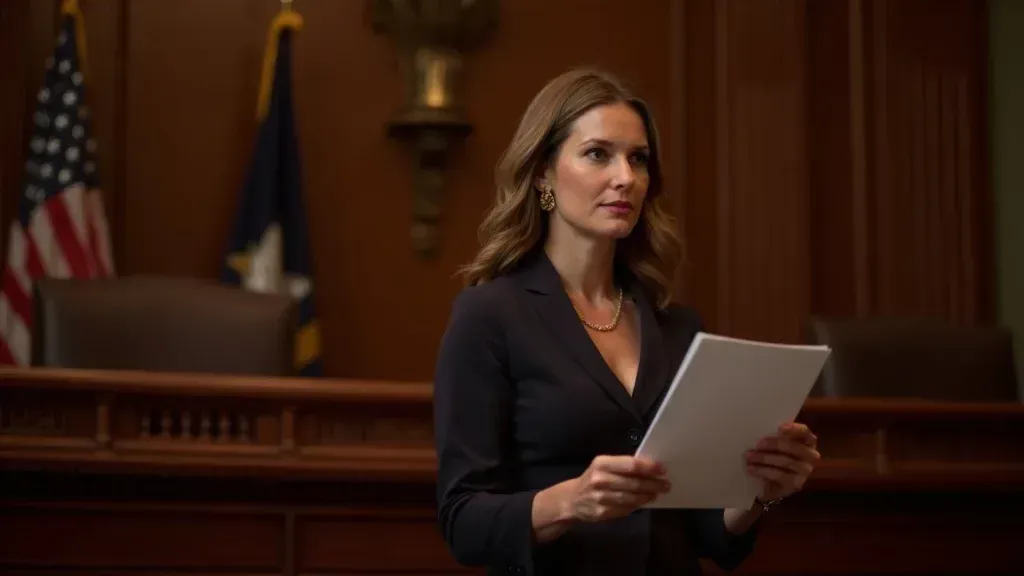
Missouri has no broad, statewide Parental Bill of Rights — only narrow statutory protections limited to special education and foster or resource parents.
One of Riley’s top priorities is pushing for a robust Parental Bill of Rights that would enhance protections for parents in all aspects of education. This legislative focus aims to enshrine transparency, communication, and parental consent into state law, ensuring schools cannot operate behind parents’ backs.
Such a bill would clearly define parental rights and require schools to obtain approval for decisions related to curriculum content, student health care, and participation in programs. Riley believes this would restore trust between families and the public education system, protecting children from policies that conflict with familial values.
Addressing Termination of Parental Rights: Ensuring Due Process and Family Integrity
Riley also seeks to safeguard parents from unwarranted termination of parental rights. She stresses the importance of due process, ensuring that any government intervention respects family unity and thoroughly evaluates circumstances before acting. In Riley’s view, keeping families intact whenever possible is paramount for a child’s stability and emotional health.
She stands against overly broad or expedited termination procedures that could disenfranchise parents without adequate justification, often fearing government overreach in these deeply personal matters.
Challenges in Missouri’s Educational Policies Affecting Parental Rights
Critique of DEI Programs and Their Impact on Parental Control
Riley is critical of Diversity, Equity, and Inclusion (DEI) programs implemented in Missouri’s schools, labeling them divisive and discriminatory in practice. She argues that DEI policies undermine parental authority by introducing ideological content that conflicts with family beliefs and values without parental input.
She advocates for the removal of DEI from school curricula, asserting that children should instead be taught unity and personal victory rather than victimhood. This stance correlates with her broader mission to prioritize parental guidance over government-imposed social agendas.
The Role of School Choice and Homeschooling in Empowering Parents

Riley champions school choice policies and homeschooling as vital tools for parental empowerment. She points to the high academic success of homeschooled children and the importance of allowing families to select educational paths aligned with their values.
Expanding access to charter schools, vouchers, and homeschooling options would enable parents to regain control over the content and environment in which their children learn. Riley believes this choice is crucial to safeguarding parental rights in an evolving educational landscape.
Balancing Parental Rights Education Missouri with Public Safety and Student Well-being
Riley states, "Parents should be the primary decision-makers for their children’s education and healthcare. Schools must be transparent and involve parents fully."
While advocating for strong parental rights, Riley acknowledges the importance of protecting children’s safety and well-being. She stresses that parents must remain central figures in decisions involving their children’s health and education but that schools have a responsibility to communicate openly and work collaboratively with families.
She emphasizes that public safety policies should complement—not contradict—parental authority. According to Riley, the family unit remains the best protector of children's interests, and full disclosure from schools is essential to maintaining this balance.
Addressing Common Misconceptions About Parental Rights in Missouri
Clarifying the Role of Parents Versus Educators
Riley clarifies that parental rights do not negate the role of educators but rather require educational institutions to operate with openness and respect for family involvement. She stresses that parents have the ultimate say in decisions affecting their children and that educators should support rather than circumvent this dynamic.
“Parents and teachers should be partners,” Riley explains. “When education policies exclude family participation, children suffer. Open communication is the key to student success and trust in schools. ”
Responding to Critics Who Overstate or Misinterpret Parental Rights Issues
Critics often claim that advocating for parental rights can lead to excessive interference or misinformation. Riley responds firmly that these concerns are overblown. “Parental involvement is not an intrusion; it’s a necessity,” she says. “Parents know their children best and deserve full respect and access. They are the final authority.”
She calls for more honest dialogue to dispel myths, emphasizing that protecting parental rights safeguards both families and children without hindering educational progress.
Conclusion: Upholding Parental Rights Education Missouri with Integrity and Faith
Her message is clear: the shutout has to end, and parents deserve a seat at the table again.
Laura Mitchell Riley’s campaign centers on restoring and protecting
parental rights education Missouri with a foundation of transparency, family involvement, and faith-based values. Her dedication to these principles offers a clear path to empower parents while safeguarding children’s well-being. As she affirms, "If I please God by standing for parental rights, then I have succeeded."
For more information or to get involved, contact
laurariley62@gmail.com.
If you’re interested in understanding how parental rights fit into the broader priorities shaping Missouri’s future, consider reading this Q&A on Laura Mitchell Riley’s campaign priorities. It offers valuable context on her legislative approach, including how education policy, family values, and community well-being intersect. Exploring these insights can help you see the bigger picture of advocacy in District 66 and inspire new ways to get involved or support meaningful change. Whether you’re a parent, educator, or concerned citizen, staying informed is the first step toward making a difference in Missouri’s schools and beyond.
Sources
- https://dese.mo.gov/special-education/compliance/parents-bill-rights
- https://missouriindependent.com/briefs/parental-bill-of-rights-legislation-voted-down-in-the-missouri-house/
- https://showmeinstitute.org/article/education/missouri-parents-bill-of-rights/
- https://www.the74million.org/article/missouri-education-committee-puts-early-focus-on-parental-rights-critical-race-theory/
- https://www.columbiafamilylawgroup.com/parental-rights-in-missouri-when-can-they-be-limited-or-terminated/
- https://dese.mo.gov/special-education/compliance/parent-information
- https://www.billtrack50.com/billdetail/1914019
- https://www.missouriparentsact.org/about-us/